
15º PERIFERIAS – Festival Internacional de Artes Performativas
15th PERIFERIAS – International Performative Arts Festival
DIA 13 DE MARÇO | 21H30 | Edifício Multiusos Cultural de Belas
13th OF MARCH | 21H30 | Belas Multipurpose Cultural Building
De / From Propositário Azul
Teatro | M/14 | 75 Min.
Bilhetes à venda na Ticketline / Tickets for sale on Ticketline
5€/pax | público em geral / general public
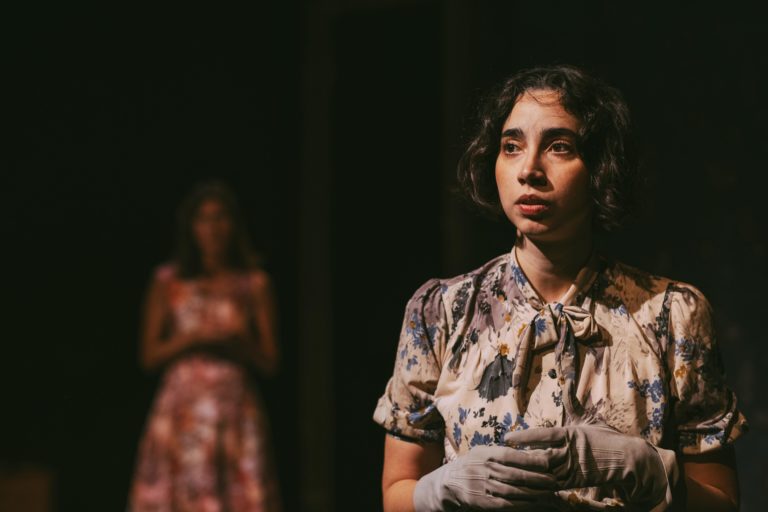
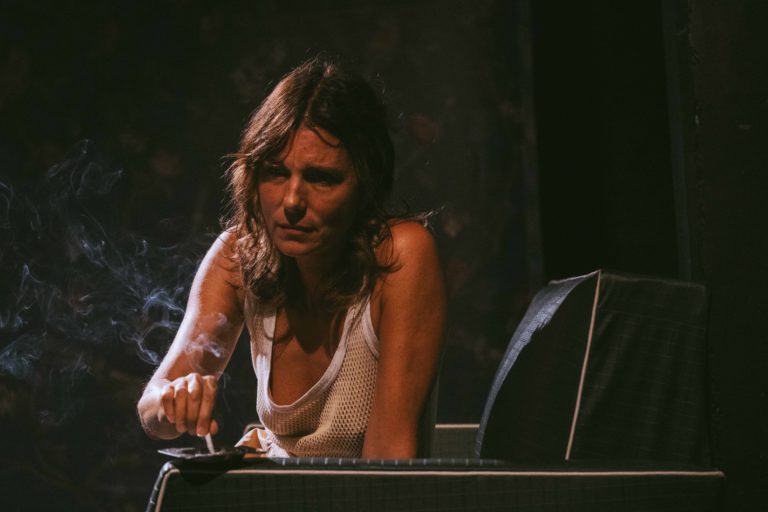
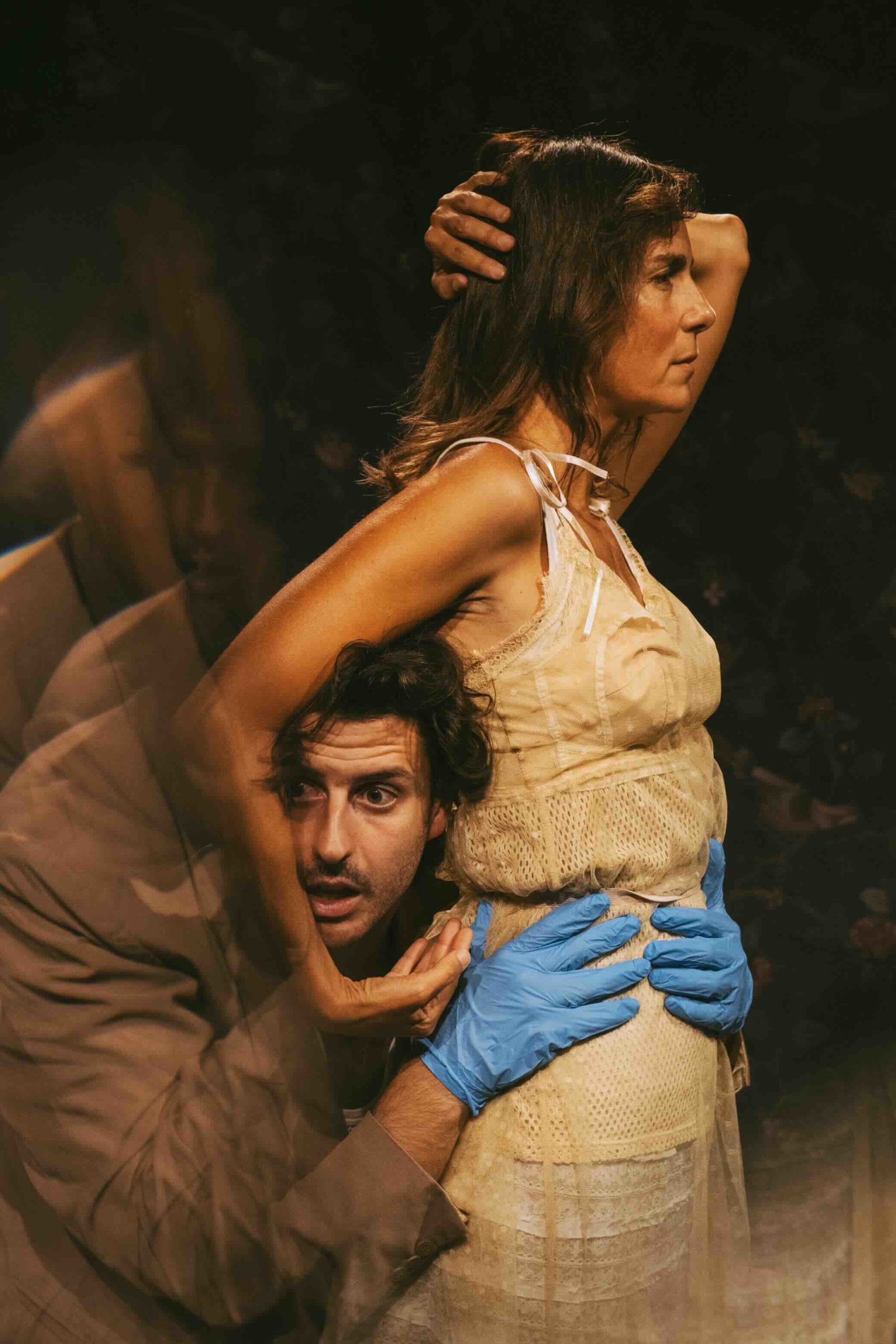
Nesta interpretação teatral do mito de Lilith – excluído da Bíblia mas preservado na literatura religiosa judaica, a figura da mulher lúbrica e perniciosa é trazida à luz do presente e ecoa na vida duma mulher dos nossos dias, tão “invisível” como qualquer outra, a habitar um pequeno apartamento no nosso prédio, na nossa cidade. Chama-se Lilith, foi expulsa hoje do paraíso, é expulsa todos os dias pela primeira vez, e todos os dias paga o preço da sua insubmissão a qualquer ordem ou lei, ou regra, ou preceito que a inferiorize.
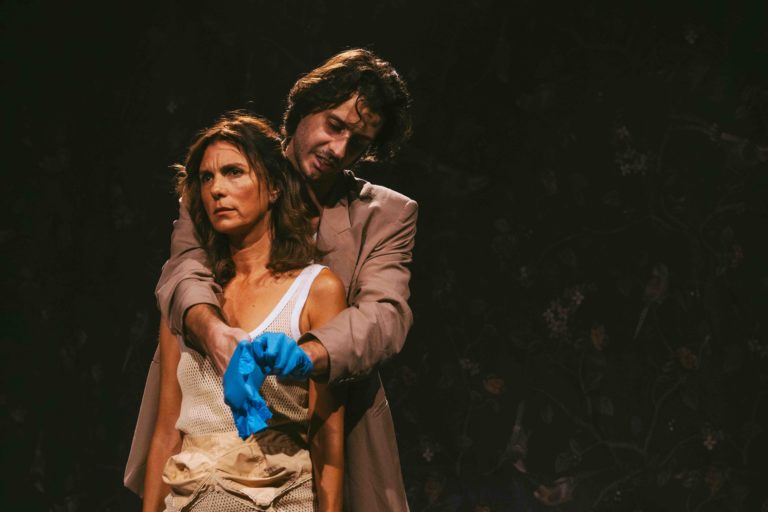
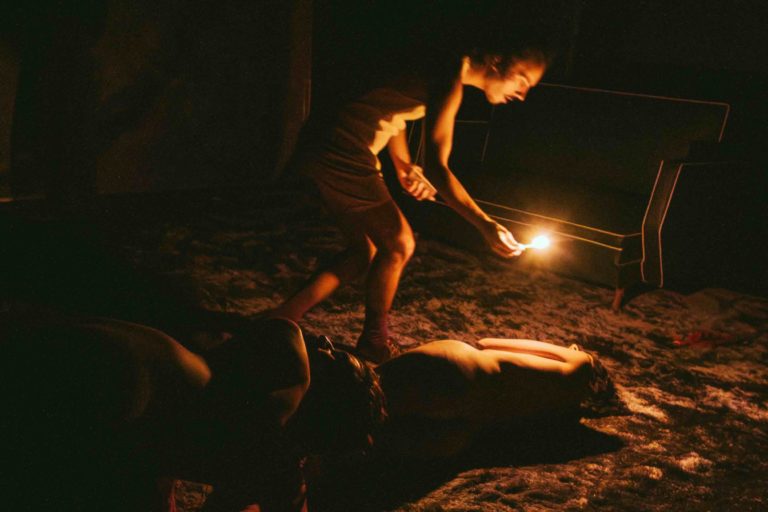
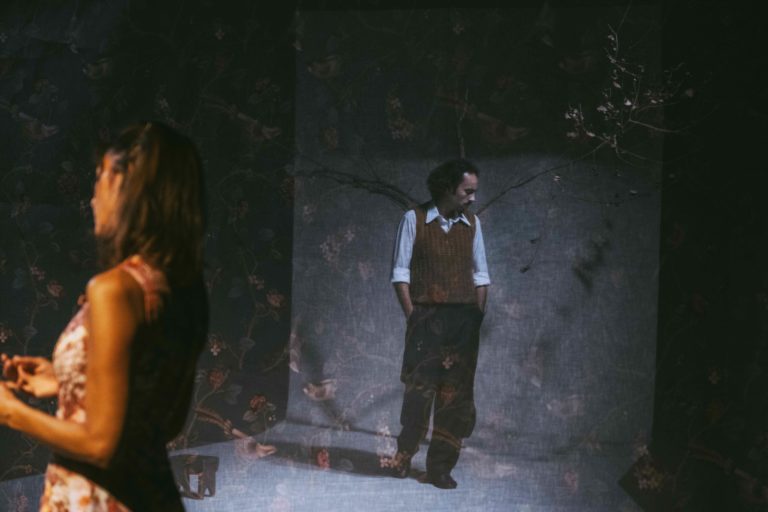
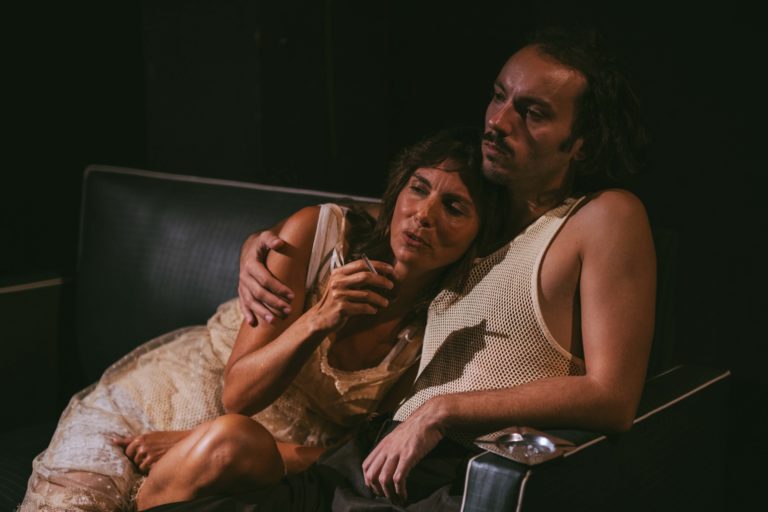
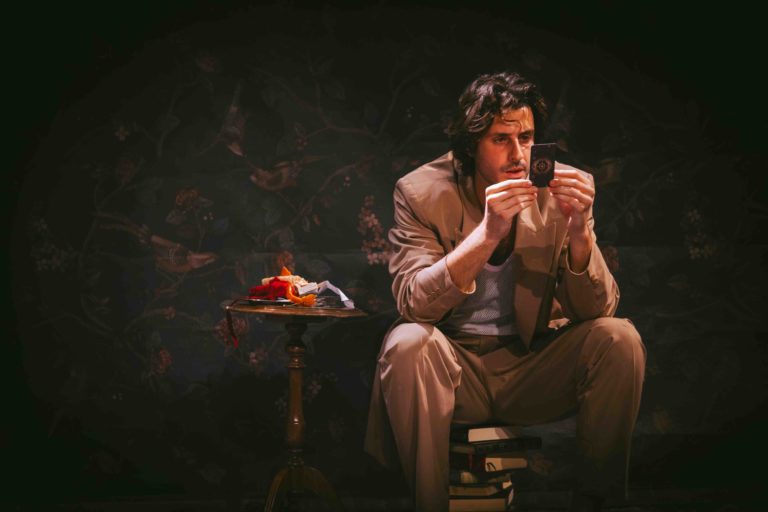
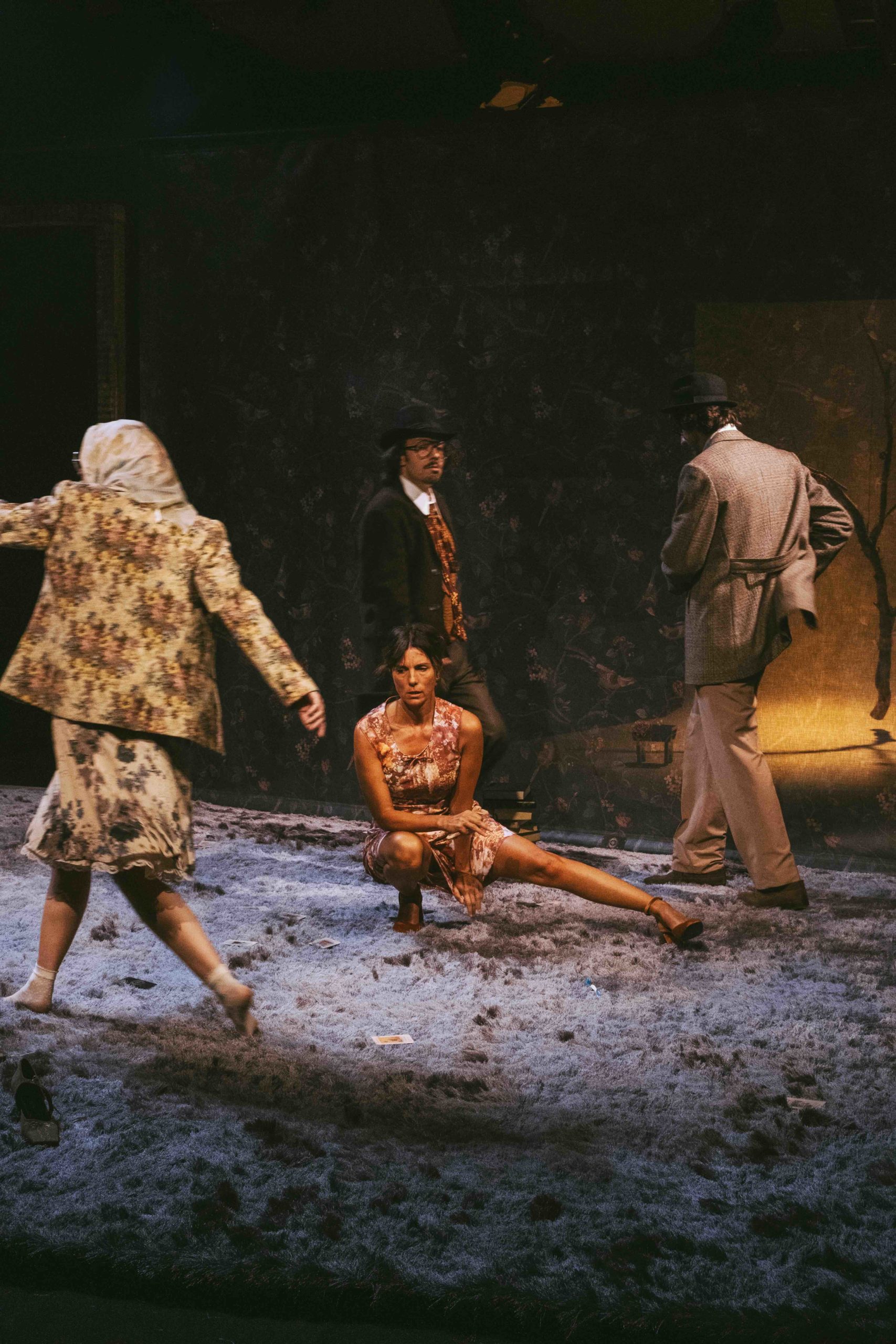
Em cena, dois homens e duas mulheres vivem num mundo e num tempo que reconhecemos como próximo e agem uns com os outros a partir de duas condições principais que os colocam em permanente tensão: ora sucumbem à imposição de “papeis” ditados a partir de fora, ora exprimem a natureza mais genuína de si mesmos.
____ . ____
In this theatrical interpretation of the myth of Lilith—excluded from the Bible but preserved in Jewish religious literature—the figure of the lewd and pernicious woman is brought to light in the present and echoes in the life of a woman of our times, as “invisible” as any other, living in a small apartment in our building, in our city. Her name is Lilith, she was expelled from paradise today, she is expelled every day for the first time, and every day she pays the price for her insubordination to any order or law, or rule, or precept that belittles her.
On stage, two men and two women live in a world and a time that we recognize as familiar and interact with each other based on two main conditions that place them in constant tension: sometimes they succumb to the imposition of “roles” dictated from outside, sometimes they express their most genuine nature.
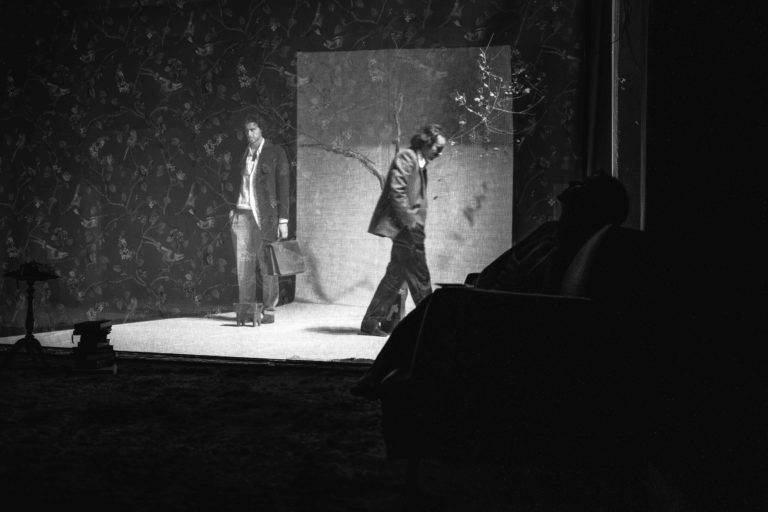
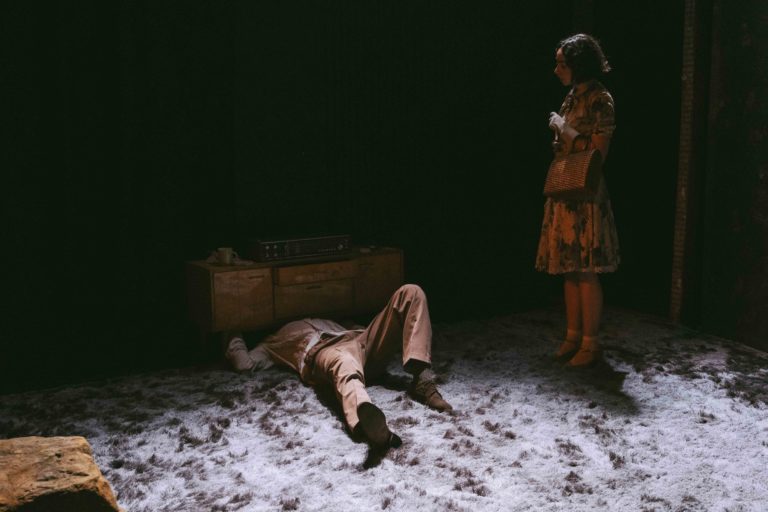
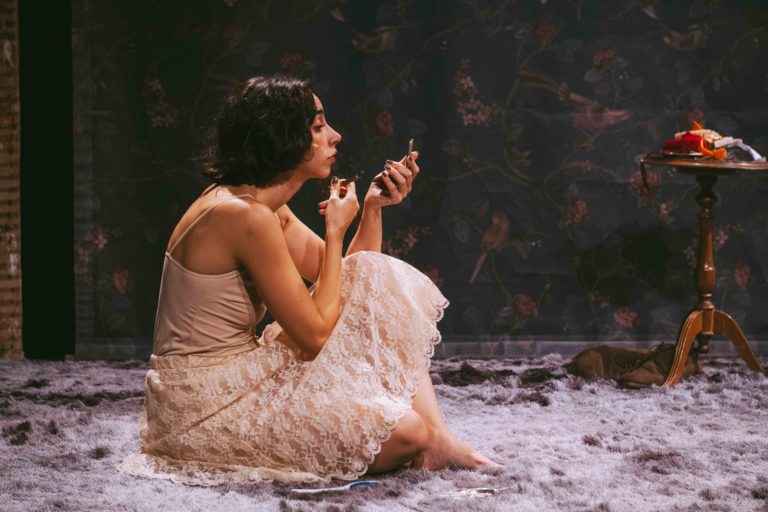

Lilith, a mulher expurgada do cânone bíblico, persistiu em muitas fontes literárias da tradição hebraica e no imaginário popular, tendo adquirido diversas formas ao longo dos séculos: “demónio alado da noite”, súcubo, rainha dos demónios, coruja, demónio sedutor, etc. Resgatada pelos românticos, afirmou-se mais recentemente como símbolo de rebeldia, de emancipação feminina, de liberdade sexual, e enfim, como símbolo feminista.
O mito de Lilith contém uma vibrante rede de referências e interpretações que, ao mesmo tempo que nos fazem recuar às origens do pensamento ou da representação consciente da nossa existência (p.ex. na Bíblia), dirigem igualmente a nossa atenção para as múltiplas formas contemporâneas de ler e expressar o mito: do cinema à banda desenhada e ao “Anime” japonês, das séries juvenis de vampiros, à ilustração e à publicidade, a reinvenção do mito segue a par duma certa cristalização da figura da mulher na sua condição subversiva, seja enquanto libertina ou revolucionária, seja enquanto expressão duma força erótica que se opõe à feminilidade maternal (Lilith, a mulher demónio que assassina bebés), entre outras variações subsidiárias.
____ . ____
Lilith, the woman expunged from the biblical canon, persisted in many literary sources of the Hebrew tradition and in popular imagination, having acquired various forms over the centuries: “winged demon of the night,” succubus, queen of demons, owl, seductive demon, etc. Rescued by the Romantics, she has more recently established herself as a symbol of rebellion, female emancipation, sexual freedom, and ultimately, a feminist symbol.
The myth of Lilith contains a vibrant network of references and interpretations that, while taking us back to the origins of thought or conscious representation of our existence (e.g., in the Bible), also direct our attention to the multiple contemporary ways of reading and expressing the myth: from cinema to comics and Japanese anime, from youth vampire series to illustration and advertising, the reinvention of the myth goes hand in hand with a certain crystallization of the figure of women in their subversive condition, whether as libertines or revolutionaries, or as an expression of an erotic force that opposes maternal femininity (Lilith, the demon woman who murders babies), among other subsidiary variations.
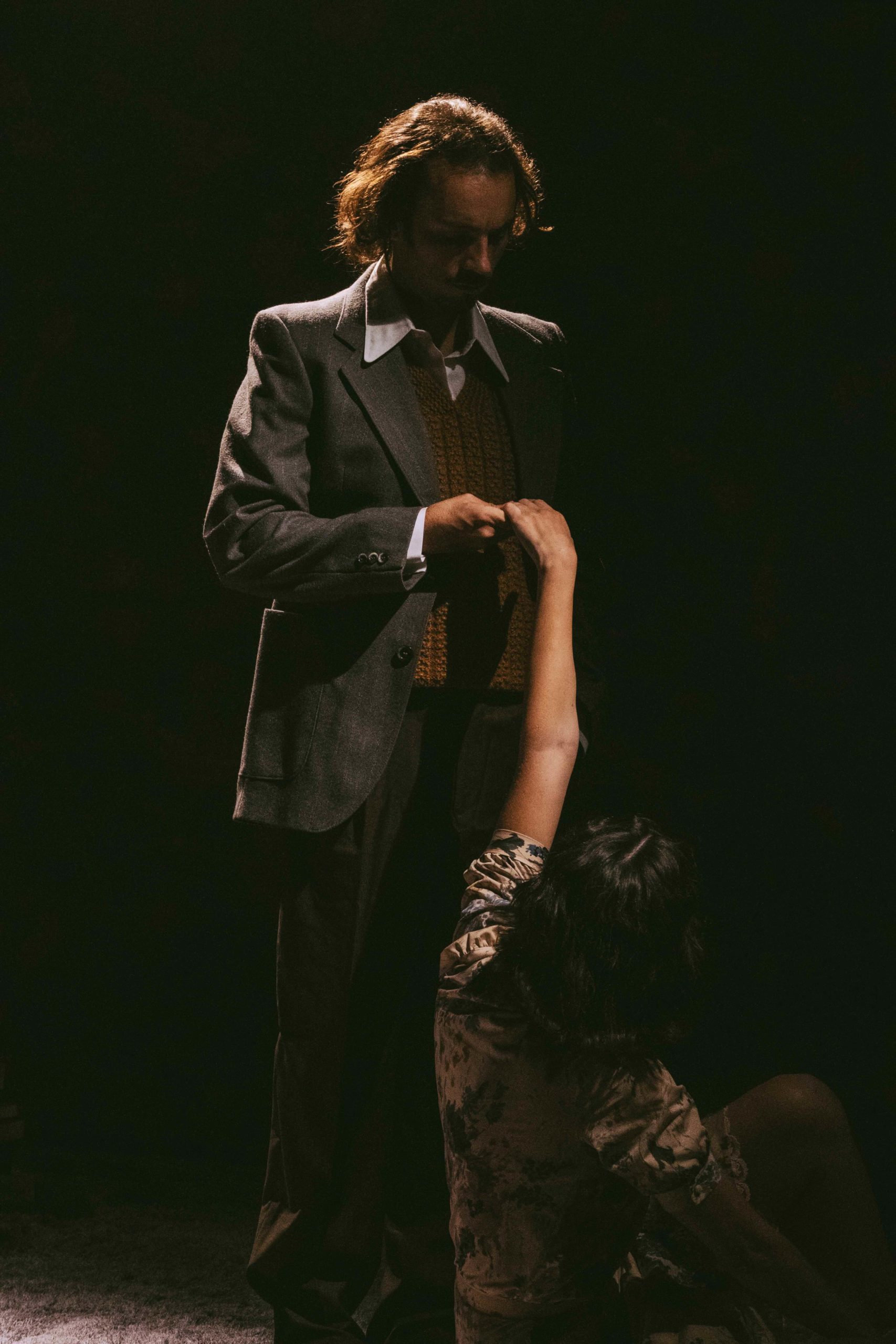
Texto: Francisco Luís Parreira | Dramaturgia, Encenação e Espaço cénico: Nuno Nunes | Co-criação e interpretação: Joana Seixas, João Cachola, Pedro Emauz e Sofia Franco | Figurinos: Patrícia Raposo | Música e Desenho de som: Alexandre Bernardo | Desenho de luz: António Vilar | Fotografia: Vitorino Coragem | Teaser: António Mendes | Registos vídeo: Frandu Almeida – Bodhgaya Films | Design gráfico: Juliana Napolitano | Apoio à Produção: Daniela Rosado | Produção: Propositário Azul | Apoio: República Portuguesa – Cultura, Juventude e Desporto / Direção-Geral das Artes; Fundação GDA. | Co-produção: Teatro Sá da Bandeira, Santarém; Chão de Oliva, Sintra; DeVIR CAPa, Faro. | Parcerias e acolhimentos: Antena 2; CAL – Primeiros Sintomas, Lisboa; Palmilha Dentada, Porto; TEP – Teatro Experimental do Porto.

Input your search keywords and press Enter.